

Unraveling the truth Debunking common gambling myths and misconceptions
The Gambler’s Fallacy: Luck vs. Skill
One of the most pervasive myths in gambling is the belief in the Gambler’s Fallacy. Many people think that past outcomes can influence future results, especially in games of chance like roulette or slot machines. For instance, if a particular number hasn’t appeared in several spins, some players assume it’s “due” to come up soon. This misconception overlooks the fundamental nature of random events, where each outcome is independent of the previous ones. Furthermore, engaging with a legit online casino can also foster a better understanding of these odds.
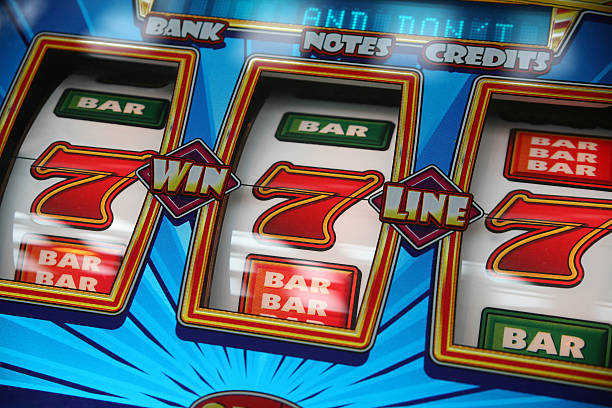
Understanding the psychological aspect of this myth can help mitigate its effects. Players often fall into patterns of thinking that can lead to overconfidence and poor decision-making. Recognizing that each spin or hand is an independent event can help gamblers make more informed choices and avoid chasing losses.
The Myth of the “Hot” and “Cold” Machines
Another common myth is the idea that certain slot machines are “hot” or “cold.” This belief suggests that some machines are more likely to pay out in a given timeframe. However, this notion is fundamentally flawed. Slot machines operate on random number generators, ensuring that each spin’s outcome is completely random and not influenced by previous results.
This myth is fueled by anecdotal experiences, where players share stories of sudden wins or prolonged dry spells. The psychological impact of these narratives can lead to misconceptions about machine behavior. By understanding that every play is a separate event, players can make more rational choices without falling victim to this illusion.
The Illusion of Control
Many gamblers believe they can influence the outcome of games through strategies or rituals, creating an illusion of control. This is particularly evident in games such as poker or blackjack, where skill can play a role, but luck is still a dominant factor. Players often develop superstitions or specific behaviors they believe will improve their chances, leading to a misunderstanding of the game’s nature.
Recognizing this illusion can help gamblers develop healthier relationships with their betting habits. Understanding that while skill can enhance performance in some games, the inherent unpredictability of luck cannot be ignored can help mitigate the urge to chase losses or engage in destructive gambling behavior.
The Impact of Environment on Gambling Behavior
The environment in which gambling occurs can significantly influence a player’s behavior and perceptions. Casinos are designed with specific lighting, sounds, and layouts to create an atmosphere that encourages spending. This sensory overload can lead to poor decision-making and an altered sense of time, prompting players to gamble more than they initially intended.
Awareness of these environmental factors is crucial for responsible gambling. Gamblers can benefit from recognizing when their surroundings are impacting their judgment. Creating a personal gambling environment that promotes mindfulness can aid in developing better habits and avoiding the pitfalls of casino design.

Ensuring a Safe Gambling Experience
Understanding these myths and misconceptions is vital for ensuring a responsible gambling experience. It’s essential for players to educate themselves about the psychological aspects of gambling and to be aware of their habits and beliefs. Recognizing the truth behind common myths can lead to better decision-making and a healthier approach to gambling.
For those looking to navigate the complexities of gambling responsibly, utilizing resources that prioritize security and safe practices is essential. By engaging with platforms that emphasize responsible gambling, players can protect themselves against the risks associated with gambling and enjoy their experience in a more informed and safe manner.
